Patient-Centric Excellence: The Features of Our Dental Clinic
Sedation Options
Hover mouse here to see backend content. Lorem ipsum dolor sit amet.
Main Point
This is backend content. Lorem ipsum dolor sit amet.
Post-Treatment Care
Hover mouse here to see backend content. Lorem ipsum dolor sit amet.
Main Point
This is backend content. Lorem ipsum dolor sit amet.
Sterilization Protocols
Hover mouse here to see backend content. Lorem ipsum dolor sit amet.
Main Point
This is backend content. Lorem ipsum dolor sit amet.
Comprehensive Services
Hover mouse here to see backend content. Lorem ipsum dolor sit amet.
Main Point
This is backend content. Lorem ipsum dolor sit amet.
Treatment
Joint Replacement Surgery
Joint Replacement Surgery involves replacing damaged joints with artificial components to alleviate pain and restore function.
Commonly performed on hips, knees, and shoulders, the procedure typically entails removing diseased cartilage and bone, followed by the insertion of metal and plastic prosthetics.
This surgery significantly improves mobility and quality of life for patients suffering from arthritis or joint injuries.
Treatment
PCL Reconstruction Surgery
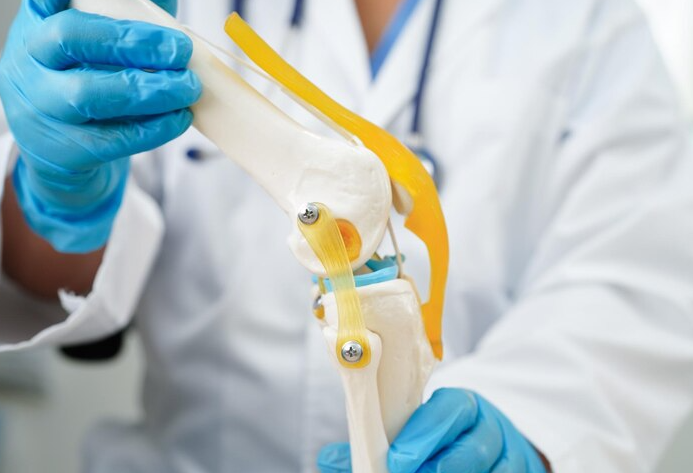
PCL Reconstruction Surgery addresses injuries to the posterior cruciate ligament (PCL) in the knee, which is crucial for stability.
The procedure involves reconstructing the ligament using grafts from the patient’s tissue or donor sources.
Surgeons make incisions to access the knee joint, remove damaged tissue, and secure the new graft. Rehabilitation post-surgery is essential for restoring strength and function in the knee.
Shoulder Replacement Surgery entails replacing a damaged shoulder joint with an artificial prosthesis to alleviate pain and restore movement.
The procedure may involve total replacement or partial resurfacing of the joint depending on the extent of damage.
Surgeons remove damaged bone and cartilage before inserting metal and plastic components. Post-operative rehabilitation is crucial for regaining strength and range of motion.
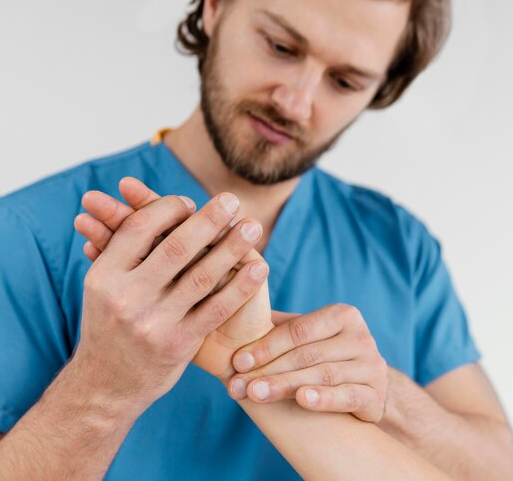
Carpal Tunnel Release is a surgical procedure aimed at relieving pressure on the median nerve in the wrist, which causes pain and numbness in the hand.
The surgery involves cutting the transverse carpal ligament to create more space for the nerve.
This can be performed using open surgery or an endoscopic technique, allowing for quicker recovery times and reduced discomfort. Patients often experience significant relief from symptoms post-surgery.
Ankle Arthroscopy is a minimally invasive surgical technique used to diagnose and treat various ankle conditions through small incisions.
An arthroscope is inserted into the ankle joint to visualize damage such as torn ligaments or cartilage issues.
This procedure allows for precise repairs while minimizing recovery time compared to traditional open surgery, making it an effective option for athletes and active individuals seeking quick rehabilitation.
Total Hip Replacement is a surgical procedure that replaces a damaged hip joint with an artificial implant.
The surgery involves removing the diseased bone and cartilage from the hip socket and femur, followed by inserting metal and plastic components to recreate normal joint function.
This procedure is often recommended for patients with severe arthritis or hip fractures, significantly improving mobility and reducing pain.
Laminectomy is a surgical procedure that involves removing a portion of the vertebrae (lamina) to relieve pressure on spinal nerves caused by conditions like herniated discs or spinal stenosis.
This procedure can alleviate pain, numbness, or weakness in the limbs by creating more space within the spinal canal.
Recovery typically includes physical therapy to strengthen back muscles and improve flexibility.
Dr. Naushad Hussain is a renowned Orthopedist in Mumbai and currently practices at Wockhardt Hospital, Mumbai Central, Mumbai. For the past 25 years, Dr. Naushad Hussain has worked as a Orthopedic Doctors and gained proficient skills and knowledge in the segments.